















Trump Plans to Extend U.S. Travel Ban to Over 30 Countries
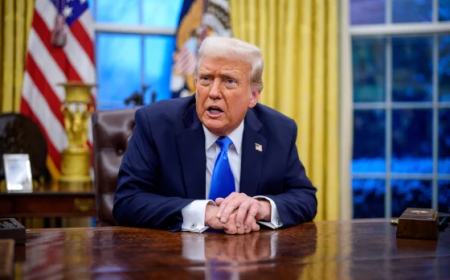
President Donald Trump is preparing to expand the U.S. travel ban to more than 30 countries. The article explains what the new restrictions could mean for global travel, immigration policies, and diplomatic relations.

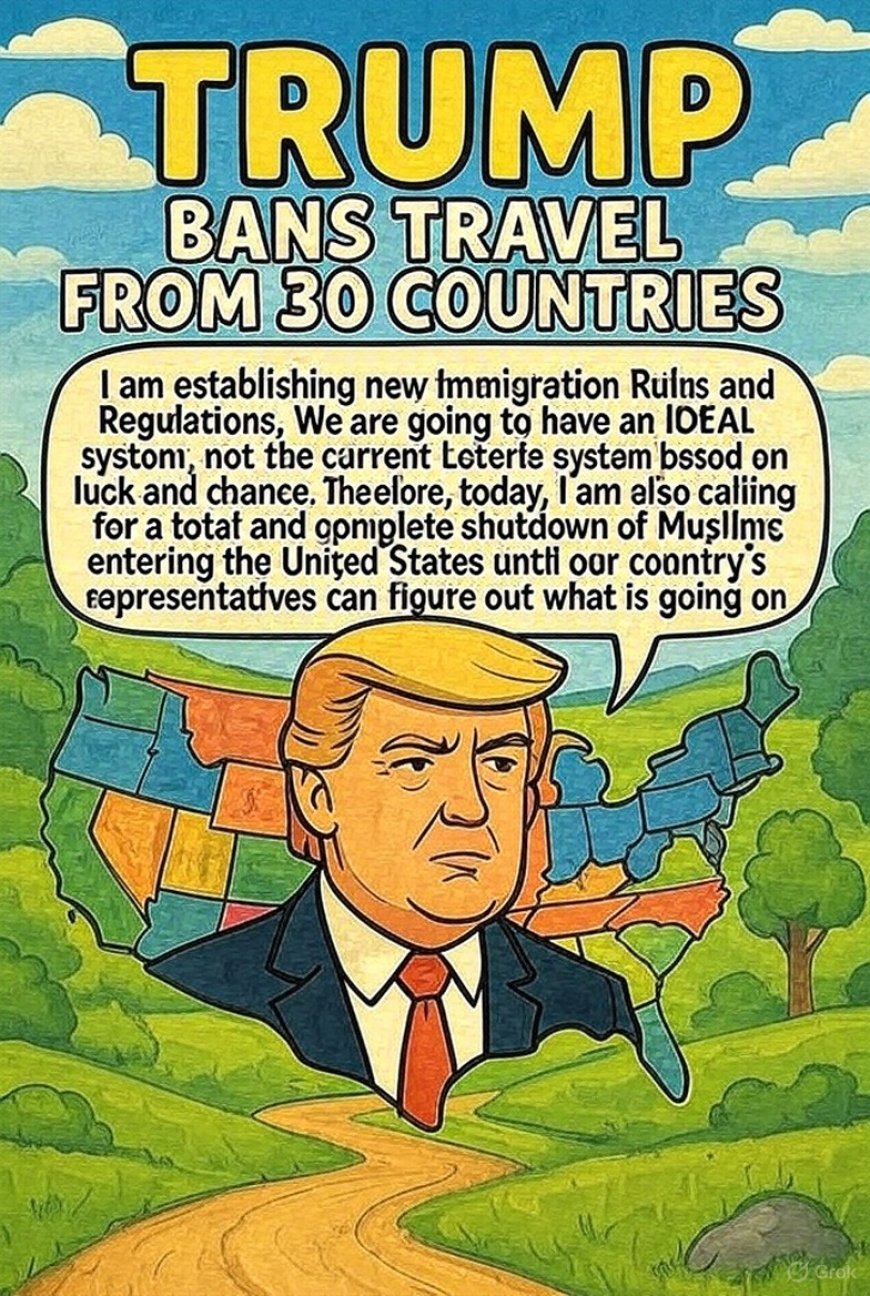
In a sweeping new effort announced this week, the Trump administration is poised to expand its travel ban to more than 30 countries, marking the broadest such restriction in decades. The policy — part of an aggressive new immigration crackdown — is already sparking debate across the globe, with critics warning about humanitarian consequences and advocates defending it as a necessary national-security measure.
From 19 to 30+ Countries: What’s Changing
The ban originally enacted in June 2025 restricted or barred travel from 19 countries, under a proclamation signed by President Trump. American Immigration Council+2Wikipedia+2 These countries included several from Africa, the Middle East, and other regions — some facing full entry bans, others subject to partial restrictions. Wikipedia+2Council on Foreign Relations+2
But now, the administration — under the direction of Department of Homeland Security (DHS) and its Secretary Kristi Noem — confirmed that the list will grow to more than 30 countries. AL-Monitor+2The Economic Times+2 In recent public statements, Noem avoided specifying exactly which additional countries would be added — saying only the total would exceed 30 as the administration continues to review nations “that can’t meet our vetting standards.” VisaHQ+2Dawn+2
Although the expanded list is not yet public, officials say the criteria for selection include lack of reliable travel documents, poor cooperation on deportation or criminal-records sharing, unstable government, and concerns about terrorism or extremist threats. VisaHQ+2Council on Foreign Relations+2
New Restrictions: More Than Just Visas
Under the expanded ban, citizens from affected countries could face:
-
Full bars on travel and immigration visas, including tourist, student, and business visas. VisaHQ+2AP News+2
-
Suspension or delays for immigrant-visa and green-card applications. Reuters+2The Guardian+2
-
Halts or slowdowns in asylum processing and refugee admissions from banned countries. Council on Foreign Relations+2VisaHQ+2
-
Stricter vetting and screening for immigrants already residing in the U.S. from banned nations. American Immigration Council+2The Guardian+2
Notably, some exemptions remain in place — lawful permanent residents, certain visa holders, asylum-seekers with special immigration status, and certain family-based or diplomatic visa categories may be exempted. Wikipedia+2Council on Foreign Relations+2
What Prompted the Expansion — and When
The decision to broaden the ban followed a shooting near the White House involving a man from one of the already-banned countries. Officials cited the incident as evidence that prior vetting and immigration policies had failed, calling for urgent reassessment. Reuters+2Reuters+2
In response, the administration announced a “permanent pause” in migration from all what it calls “Third World Countries,” pending review. Reuters+1 DHS confirmed the expanded ban would take effect within days. VisaHQ+1
Reactions: Support, Criticism & Global Pushback
Supporters of the ban argue it is a necessary step to protect U.S. national security, especially in an era of heightened global instability. They claim that many of the countries under consideration lack stable governments, reliable documentation systems, or mechanisms to cooperate with U.S. law enforcement. Council on Foreign Relations+2VisaHQ+2
But critics — including human-rights organizations, refugee advocates, and international legal experts — warn the ban could amount to mass exclusion and collective punishment. They argue it undermines asylum rights, separates families, and hurts people fleeing conflict or persecution. Council on Foreign Relations+2The Guardian+2
Some also say the lack of transparency about which countries will be added, and the broad criteria being used, could make the restrictions arbitrary and discriminatory. Council on Foreign Relations+2VisaHQ+2
Broader Implications: Diplomacy, Migration, and Global Mobility
The expanded ban is likely to have wide-ranging consequences beyond immigration. It could:
-
Disrupt travel plans for students, businesses, and families — especially ahead of global events or holidays. VisaHQ+1
-
Strain diplomatic relationships with countries newly banned — some may view the move as a sign of U.S. distrust or isolationism.
-
Affect global labour mobility, international education, humanitarian work, and refugee flows — especially from already vulnerable regions.
-
Fuel debates around global inequality, refugee crises, and moral responsibility during humanitarian emergencies.
What Happens Next
Officials say they will announce the new list of countries “soon,” though no firm date has been given. AL-Monitor+2AP News+2 Meanwhile, affected visa and immigration applications — including those already in process — may be delayed or suspended, causing uncertainty for millions.
Policy analysts and human-rights groups are preparing legal challenges. Given the broad scope of the bans and partial restrictions, courts may soon be asked to examine whether the new measures comply with U.S. and international laws, asylum obligations, and non-discrimination norms.
For migrants, refugees, students, and global travellers — especially from regions already under scrutiny — the widening travel ban signals a fundamental shift in how the U.S. views global mobility and immigration. Whether this move will make America safer, or shut the door on millions of hopeful migrants, remains a bitterly contested question.
What's Your Reaction?
 Like
0
Like
0
 Dislike
0
Dislike
0
 Love
0
Love
0
 Funny
0
Funny
0
 Angry
0
Angry
0
 Sad
0
Sad
0
 Wow
0
Wow
0